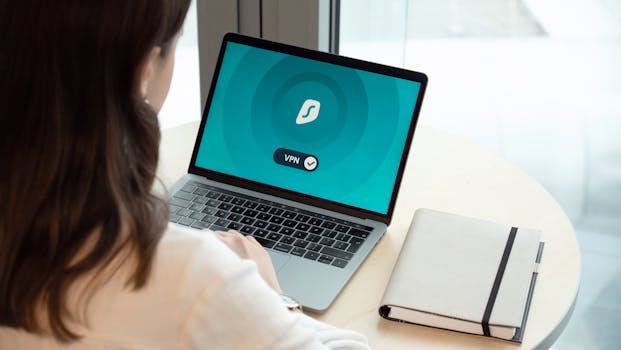
In an era where digital footprints are increasingly scrutinized and cyber threats grow more sophisticated, the need for robust online protection has never been greater. Virtual Private Networks, or VPNs, have emerged as one of the most effective tools for safeguarding privacy and enhancing security during everyday internet use. But what exactly does a VPN do, why has its popularity soared among individuals and businesses alike, and how can you leverage its capabilities for optimal online safety? This article takes you on an in-depth exploration of VPNs, delving into the technology, their strengths and limitations, real-world applications, and how they fit into the broader landscape of internet privacy and security.
Understanding How VPNs Work: The Technology Behind the Shield
At its core, a VPN acts as a secure tunnel between your device and the internet. When you connect to a VPN server, your data traffic is encrypted and routed through a remote server operated by the VPN provider. This process masks your real IP address with the IP address of the VPN server, making your online activities much harder to trace.
Encryption is the backbone of a VPN’s security. Most reputable providers use protocols like OpenVPN, WireGuard, or IKEv2/IPSec, which employ advanced encryption standards such as AES-256. To put this into perspective, AES-256 is so robust that, according to the National Institute of Standards and Technology, it would take billions of years for even powerful computers to brute-force the encryption.
.png)
Beyond encryption, VPNs often offer features like kill switches, which disconnect your internet if the VPN connection drops, and DNS leak protection, ensuring your browsing requests are kept private. According to a 2023 report by Statista, over 1.6 billion internet users worldwide used VPNs in 2022—a testament to their growing relevance.
Key Benefits of Using a VPN for Privacy and Security
The widespread adoption of VPNs is driven by several compelling advantages, particularly in the realms of privacy and security:
1. $1 By masking your IP address, a VPN makes it significantly more difficult for websites, advertisers, and even your internet service provider (ISP) to track your online habits or build a profile about you. 2. $1 Public networks—like those in airports, cafes, or hotels—are notoriously vulnerable to cyberattacks. VPNs encrypt your data on these networks, shielding you from eavesdroppers and man-in-the-middle attacks. 3. $1 Many countries restrict access to certain websites or services. With a VPN, users can connect to servers in different countries, enabling access to blocked content. For example, in 2023, over 30% of VPN users cited accessing restricted content as their primary motivation, according to GlobalWebIndex. 4. $1 Remote workers and businesses frequently rely on VPNs to ensure that sensitive information—such as financial data or proprietary documents—remains secure when accessed or shared over external networks. 5. $1 With increasing concerns about government surveillance, VPNs provide an added layer of privacy, especially for users in regions with restrictive digital policies.VPN Limitations and Common Misconceptions
While VPNs are powerful, they are not a panacea for all online security and privacy challenges. It’s important to understand their limitations to avoid a false sense of invulnerability.
- $1 VPNs mask your IP address but do not guarantee total anonymity. Websites can still track you using cookies, browser fingerprinting, or logged-in accounts. - $1 Using a VPN shifts trust from your ISP to the VPN provider. Some VPNs log user activity, which could potentially be accessed by authorities or malicious actors. Always check a provider’s privacy policy and independent audits. - $1 Encrypting and routing traffic through remote servers can slow down internet speeds. However, with modern infrastructure, top VPNs minimize this impact—often resulting in less than a 10% speed drop. - $1 VPNs do not inherently block viruses or prevent phishing attacks. For comprehensive protection, pair your VPN with reliable antivirus software and safe browsing habits.Comparing Popular VPN Services: Features, Pricing, and Performance
With hundreds of VPN providers vying for users’ attention, choosing the right one can be daunting. Below is a comparative overview of three leading VPN services in 2024, based on speed, privacy features, global server coverage, and price. All data is sourced from independent testing by AV-TEST and user reviews.
| Feature | ExpressVPN | NordVPN | Surfshark |
|---|---|---|---|
| Monthly Price (USD) | $12.95 | $12.99 | $12.95 |
| Number of Servers | 3,000+ | 5,800+ | 3,200+ |
| Server Locations | 94 countries | 60 countries | 100 countries |
| Simultaneous Connections | 5 | 6 | Unlimited |
| No-Logs Policy | Yes (Audited) | Yes (Audited) | Yes (Audited) |
| Average Speed Reduction | ~8% | ~10% | ~12% |
| Special Features | TrustedServer Tech, Split Tunneling | Double VPN, Onion over VPN | CleanWeb Ad Blocker, MultiHop |
This table highlights that while all three VPNs offer robust security and privacy, the choice may come down to factors such as the number of simultaneous connections, unique features, or price.
VPNs and the Changing Landscape of Internet Privacy Laws
The legal and regulatory environment for online privacy is constantly evolving. In recent years, several landmark privacy regulations have influenced how VPN providers operate and how users benefit from VPNs:
- $1 Introduced in 2018, the GDPR has raised the bar for data privacy and transparency. Many VPN providers have responded by adopting stricter no-logs policies and offering clearer terms of service. - $1 Enacted in 2018, this law allows U.S. authorities to request data from companies regardless of where servers are located. As a result, some privacy-conscious users prefer VPNs based outside the U.S. or the "Five Eyes" intelligence-sharing alliance. - $1 Countries such as China, Russia, and Iran have implemented bans or required VPNs to be government-approved. Despite these challenges, VPN usage continues to rise in regions with restricted internet, with China seeing a 19% year-over-year increase in VPN usage as of 2023 (Top10VPN research).Understanding these dynamics is crucial. It not only helps you select a provider that aligns with your privacy expectations but also keeps you informed about potential risks and legal considerations when using a VPN in different jurisdictions.
Integrating VPNs Into Your Everyday Digital Life
VPNs are no longer just for tech-savvy individuals or large corporations. Their utility spans a wide range of everyday activities:
- $1 Many users employ VPNs to access geo-restricted content on platforms like Netflix, Hulu, or BBC iPlayer, and to reduce lag or prevent DDoS attacks while gaming. - $1 With the rise of hybrid and remote work, businesses use VPNs to create secure connections for employees accessing company networks from home or while traveling. - $1 VPNs can help travelers avoid price discrimination on airline tickets and hotel bookings by appearing to browse from another country. - $1 In regions with state surveillance or censorship, VPNs enable activists and journalists to communicate securely and access blocked information.The global VPN market reflects this diversity of use. According to Fortune Business Insights, the VPN market was valued at $45 billion in 2022 and is projected to reach $77 billion by 2026, indicating rapid adoption across personal and professional spheres.
Final Thoughts on VPNs: Are They Worth It for You?
In a world where privacy is increasingly under threat and digital attacks are on the rise, VPNs offer a practical and effective way to enhance your online security. While not a cure-all solution, a high-quality VPN significantly reduces your exposure to surveillance, hacking, and data theft. From safeguarding your personal data on public Wi-Fi to accessing global content and maintaining anonymity, the advantages are tangible.
Before subscribing, assess your unique needs, research reputable providers, and remain aware of both the capabilities and limitations of VPN technology. Integrating a VPN into your digital routine is a proactive step toward reclaiming control over your online presence in the 21st century.