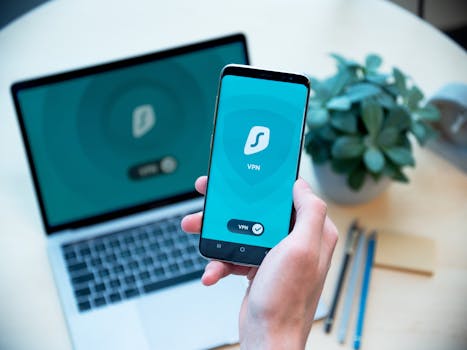
The digital revolution has put the world in your pocket. Smartphones have replaced wallets, cameras, diaries, and even keys. From mobile banking to personal emails, your phone contains a trove of sensitive information. But as our reliance on these devices grows, so does the threat to our personal data. According to a 2023 Statista report, there were over 5.3 billion unique mobile phone users worldwide, with 71% of all cyberattacks targeting mobile devices in some regions. The message is clear: protecting your smartphone goes far beyond setting a PIN. Let’s explore the sophisticated risks facing mobile users today and the proactive measures you can take to ensure your data stays private.
Understanding Mobile Security Threats: More Than Just Malware
When people think of smartphone threats, viruses or malware often come to mind. But mobile security risks are far more diverse and nuanced. Here are some of the most pressing threats:
1. $1: Not all apps are created equal. In 2022, Google removed over 1.4 million apps from its Play Store due to policy violations, including privacy infringement and malicious intent. Rogue apps can access contacts, messages, location, and even microphones or cameras. 2. $1: Phishing isn’t just an email problem anymore. Attackers now send fraudulent texts (smishing) or instant messages, tricking users into revealing sensitive information or clicking malicious links. According to Verizon’s 2023 Data Breach Investigations Report, 23% of all phishing attacks now target mobile users. 3. $1: Using public Wi-Fi at a café or airport? Hackers can intercept your data through man-in-the-middle attacks, often without your knowledge. In 2023, IBM found that 40% of mobile users regularly connect to unsecured Wi-Fi networks. 4. $1: As mobile operating systems evolve, so do vulnerabilities. A zero-day exploit takes advantage of security gaps before developers can patch them. In 2022 alone, Google’s Project Zero identified 18 major zero-day vulnerabilities affecting Android and iOS devices. 5. $1: It’s easy to overlook, but losing your phone—or having it stolen—can put everything from your emails to banking apps at risk, especially if device encryption and screen locks aren’t robust.How Mobile Data is Collected, Shared, and Monetized
One of the least understood aspects of mobile security is how personal data is collected—and by whom. Apps, advertisers, device manufacturers, and third-party analytics companies are all involved in harvesting user data for profit or service improvement.
.png) - $1: Many free apps request access to contacts, call logs, photos, and location—even when it’s not required for their core function. In a 2023 survey by Pew Research Center, 79% of users expressed concern about how much data their smartphones collect.
- $1: Studies by the International Association of Privacy Professionals (IAPP) have shown that an average of 10 third-party trackers are embedded in popular apps, sending data to advertisers and analytics firms.
- $1: Data isn’t just collected on your phone. Many services track your activity across devices, creating a detailed profile that’s sold to marketers.
- $1: Even legitimate companies can suffer breaches. In 2023, a major fitness app leaked 150 million user records, including location and health data.
- $1: Many free apps request access to contacts, call logs, photos, and location—even when it’s not required for their core function. In a 2023 survey by Pew Research Center, 79% of users expressed concern about how much data their smartphones collect.
- $1: Studies by the International Association of Privacy Professionals (IAPP) have shown that an average of 10 third-party trackers are embedded in popular apps, sending data to advertisers and analytics firms.
- $1: Data isn’t just collected on your phone. Many services track your activity across devices, creating a detailed profile that’s sold to marketers.
- $1: Even legitimate companies can suffer breaches. In 2023, a major fitness app leaked 150 million user records, including location and health data.
Understanding these processes is essential. You may be unwittingly sharing more than you intend each time you download an app or grant it permissions.
Comparing Security Features: Android vs. iOS
Not all smartphones are created equal when it comes to built-in security. Both Android and iOS have made significant strides, but their approaches and effectiveness differ.
| Feature | Android | iOS |
|---|---|---|
| App Store Review Process | Automated & Manual, less restrictive | Strict Manual Review, more restrictive |
| Security Updates | Dependent on manufacturer; delays common | Direct from Apple; rapid rollout |
| Default Encryption | Enabled on most new devices | Always enabled |
| Permissions Management | Granular, but varies by version | Standardized and transparent |
| Third-party App Stores | Permitted; increases risk | Not allowed (except enterprise) |
| Sandboxing | Strong, but less strict than iOS | Very strict app sandboxing |
While both platforms offer robust security, iOS’s closed ecosystem and uniform updates generally provide faster responses to threats. Android’s openness offers flexibility but can introduce delays in critical patches, especially on older devices.
Emerging Technologies for Mobile Data Protection
Mobile security isn’t static—new technologies are constantly reshaping the landscape. Here are some of the most promising developments:
- $1: Modern smartphones are equipped with AI chips that detect and block phishing attempts, malware, or suspicious behavior in real time, without needing to send data to the cloud. - $1: Technologies like facial recognition and fingerprint scanning are now standard on most devices. According to Juniper Research, over 80% of smartphones shipped in 2023 included biometric sensors. - $1: Messaging apps like WhatsApp and Signal offer end-to-end encryption, ensuring only the sender and recipient can read messages. Apple’s iMessage and FaceTime also employ similar techniques. - $1: Both Apple and Google now require developers to disclose what data their apps collect, how it’s used, and with whom it’s shared. This transparency helps users make informed decisions. - $1: Enterprises are adopting Zero Trust models, where no device or user is automatically trusted. Every attempt to access data is vetted, reducing the risk from compromised devices. - $1: Tools like Apple’s Find My and Google’s Find My Device let users remotely lock or erase their phones if lost or stolen—a crucial feature, given that over 70 million smartphones are lost annually worldwide.What You Can Do: Proactive Steps for Everyday Mobile Security
While technology companies continue to innovate, your own actions remain the most critical defense. Here are essential steps beyond the usual advice:
1. $1: Periodically review which apps have access to location, microphone, camera, and contacts. Revoke permissions that aren’t necessary. 2. $1: Use a six-digit (or longer) PIN or passphrase, and enable biometric authentication. 3. $1: Security patches close vulnerabilities. Enable automatic updates for both your OS and apps. 4. $1: Use a reputable VPN if you must access sensitive accounts on unsecured networks. Avoid banking or shopping over public Wi-Fi. 5. $1: Use encrypted cloud backups or local backups to ensure you can restore your data if your device is lost or compromised. 6. $1: Be cautious about unexpected texts or calls asking for personal information. Legitimate companies will never request passwords or verification codes via text. 7. $1: Check which devices are linked to your Google or Apple account. Remove any you don’t recognize. 8. $1: Prefer apps with end-to-end encryption for sensitive communications. 9. $1: For highly sensitive tasks, consider using purpose-built privacy apps, like secure vaults or encrypted notes.The Future of Mobile Security: Challenges and Opportunities
The battle for mobile security is far from over. As 5G networks roll out globally and the Internet of Things (IoT) expands, smartphones will become even more central—and vulnerable—to our digital lives. Gartner predicts that by 2025, over 70% of all internet traffic will originate from mobile devices, amplifying the stakes for security and privacy.
But there’s cause for optimism. Regulatory frameworks like the European Union’s GDPR and California’s CCPA are pushing companies to prioritize privacy. At the same time, consumer awareness is rising: A 2023 survey by Norton found that 68% of mobile users have taken at least one step to enhance their device security in the past year.
Ultimately, the future of mobile security will require ongoing collaboration—between users, technology providers, regulators, and security experts. By staying informed and vigilant, you can protect your personal data and enjoy the true benefits of mobile technology without unnecessary risk.