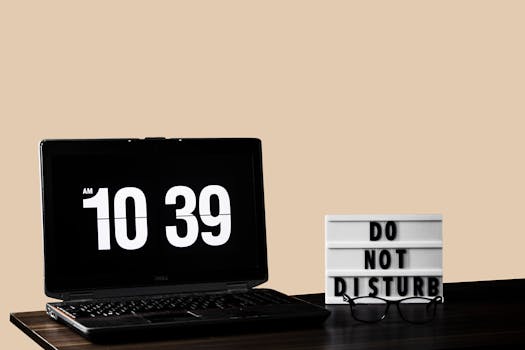
Digital Detox: Tips for a Healthy Work-Life Balance
In an era where smartphones, laptops, and constant connectivity define our daily routines, the concept of a “digital detox” is gaining traction as a crucial strategy for reclaiming a healthy work-life balance. The average American spends over 7 hours a day looking at screens, according to a 2023 Nielsen report. Meanwhile, a Gallup poll found that 44% of employees feel burnt out sometimes or always—much of this attributed to the “always-on” digital culture. This article explores actionable digital detox strategies, how to set boundaries, and how to distinguish between productive and unhealthy tech use to achieve a more satisfying balance between work and personal life.
The Science Behind Digital Overload and Its Impact
Before diving into digital detox solutions, it’s important to understand why our relationship with technology matters. The blue light emitted by screens disrupts melatonin production, leading to sleep disturbances. The American Sleep Association reports that 90% of Americans use an electronic device in the hour before bed, a habit linked to increased insomnia and daytime fatigue.
Moreover, the constant barrage of notifications and emails can overstimulate the brain. Researchers at the University of California, Irvine discovered that office workers are interrupted every 11 minutes by digital distractions, and it takes an average of 23 minutes to refocus. This level of interruption fragments attention and lowers productivity, leading to increased stress and reduced job satisfaction.
.png)
Chronic digital overload can also have physical effects: eye strain, headaches, and even musculoskeletal problems from poor posture during device use. Mental health is not spared either; studies associate excessive screen time with higher rates of anxiety, depression, and burnout.
Assessing Your Digital Habits: Are You in Need of a Detox?
Not everyone needs the same level of digital detox. The first step is to evaluate your own technology habits. Consider these questions:
- Do you check work emails or messages outside of office hours? - Do you feel anxious when separated from your phone? - Are you distracted by devices during meals or family time? - Do you reach for your phone first thing in the morning and last thing at night?A 2022 Pew Research Center survey found that 31% of adults say they are “almost constantly” online, and 53% feel that unplugging—even briefly—is difficult. If these patterns sound familiar, you might benefit from a structured digital detox.
To better understand your digital consumption, utilize built-in tools such as Apple’s Screen Time or Android’s Digital Wellbeing. These features provide detailed reports on device usage, app time, and notification frequency, giving you a clear picture of your digital habits.
Strategies for a Successful Digital Detox at Work
Completely disconnecting from technology isn’t feasible for most professionals. Instead, focus on intentional use and healthy boundaries. Here are proven strategies for a digital detox that won’t compromise your productivity:
1. Designate “No-Screen” Work Zones Create physical areas in your workspace where screens are not allowed—such as a lunchroom or meeting area. A 2020 Harvard Business Review study found that meetings without laptops or phones lead to 27% more effective collaboration. 2. Schedule Email and Notification Checks Rather than responding to every ping, set specific times for checking emails and messages—such as once every two hours. This reduces cognitive overload and allows for deeper focus on tasks. 3. Use Technology to Limit Technology Apps such as Freedom, RescueTime, and Focus@Will block distracting sites or limit usage of certain apps during work hours. According to RescueTime’s internal data, users report a 20% increase in productive time after deploying these techniques. 4. Encourage Offline Collaboration Not all communication needs to happen via instant messaging or email. Encourage walking meetings, face-to-face brainstorming sessions, or phone calls to cut down on screen time.Digital Detox Techniques for Home and Personal Time
Detoxing outside of work is equally important for maintaining overall well-being. Here are some ways to reclaim your free time:
1. Create Device-Free Rituals Establish “no device” routines at home—such as during dinner, reading, or family activities. According to a study by Common Sense Media, families who practice device-free dinners report 60% higher rates of meaningful conversation. 2. Set a Digital Curfew Try turning off all screens at least one hour before bed. This not only improves sleep quality but also reduces the temptation to check work-related messages at night. 3. Replace Screen Time with Mindful Activities Swap scrolling or binge-watching with activities that promote relaxation and creativity—such as journaling, puzzles, meditation, or outdoor walks. The American Psychological Association notes that spending just 20 minutes in nature can significantly lower cortisol levels. 4. Use Tech-Free Bedrooms Remove TVs, laptops, and phones from the bedroom. Not only does this boost sleep hygiene, but a National Sleep Foundation survey found that 68% of people who keep devices out of the bedroom report better rest.Comparing Digital Detox Approaches: Which Is Right for You?
There’s no one-size-fits-all solution for digital detoxing. Some people benefit from “micro-detoxes” throughout the day, while others prefer a full weekend unplugged. The table below summarizes the main approaches:
| Detox Approach | Description | Ideal For | Reported Benefits |
|---|---|---|---|
| Micro-Detox | Short device-free periods during the day (e.g., 20 mins every 2 hours) | Busy professionals, parents | Reduced eye strain, increased focus |
| Digital Sabbatical | Unplugging for 24-72 hours (weekends, vacations) | Those experiencing burnout | Improved mood, deeper relationships |
| App-Targeted Detox | Limiting or deleting specific high-use apps | Social media overusers | Less anxiety, more free time |
| Scheduled Tech Use | Setting strict windows for device use (e.g., 7-9pm only) | Families, students | Better sleep, healthier routines |
Setting Boundaries: Communicating Your Digital Detox
A digital detox is most effective when those around you understand and support your goals. Setting expectations with colleagues, friends, and family can prevent misunderstandings and reinforce your commitment. Here’s how:
- Communicate Clearly Let your team know your “offline” hours and when you’ll be available. Use auto-responders or status updates in messaging apps to indicate when you’re unreachable. - Establish Group Agreements If possible, advocate for company-wide practices such as “no email after 7pm” or weekend communication blackouts. According to the International Labor Organization, companies that discourage after-hours emails see a 25% drop in burnout rates. - Model Healthy Behavior Leaders and managers should set an example by respecting digital boundaries and encouraging others to do the same. When employees see their supervisors taking breaks from devices, they’re more likely to follow suit.Embracing a Sustainable Digital Lifestyle: Long-Term Tips
Digital detoxing isn’t a one-time fix; it’s about creating sustainable habits. Here are tips for making your digital wellness last:
1. Regularly Review Your Tech Use Once a month, review your screen time and adjust as needed. Celebrate progress and identify new areas for improvement. 2. Prioritize Human Connections Make time for in-person interactions, whether it’s a coffee with a friend or a family outing. A 2023 study from the University of Oxford found that face-to-face contact is three times more effective in boosting happiness than digital communication. 3. Practice Mindful Tech Use Ask yourself before reaching for a device: “Is this necessary, or am I just bored?” Being intentional helps prevent mindless scrolling. 4. Seek Support if Needed If you find it difficult to manage digital use on your own, consider digital wellness coaching, counseling, or support groups. In 2022, the Center for Humane Technology reported a 40% increase in people seeking guidance for tech-related stress.Final Thoughts on Digital Detox for Work-Life Balance
Our digital devices are powerful tools for productivity, connection, and entertainment—but without boundaries, they can easily erode our work-life balance and overall well-being. By understanding the science behind digital overload, assessing your habits, and implementing tailored detox strategies, you can regain control and foster a healthier, more intentional relationship with technology. Whether you choose micro-detoxes, full digital sabbaticals, or app-targeted breaks, the key is consistency and open communication. Start small, track your progress, and remember that every step toward digital mindfulness brings you closer to a more balanced and fulfilling life.