Protecting your digital privacy is essential in today's interconnected world. As we navigate through various online platforms, from social media to financial services, our personal information becomes vulnerable to various threats. By understanding the significance of digital privacy and actively engaging in protective measures, individuals can shield themselves from risks like identity theft, financial fraud, and unauthorized data breaches.
Why Digital Privacy Is Crucial
Digital privacy is the safeguarding of your personal data online. It involves protecting information such as your name, address, phone numbers, and financial details from unauthorized access and exploitation. The critical nature of digital privacy is underscored by the alarming rise in cybercrime. For instance, a report by the Internet Crime Complaint Center revealed that in 2020 alone, there were over 791,790 complaints of suspected internet crime, resulting in losses exceeding $4.1 billion.
.png)
Beyond financial data, digital privacy encompasses your personal rights and freedoms. It allows individuals to express themselves freely, without the fear of being monitored or profiled. In an era dominated by extensive surveillance and data harvesting, maintaining privacy is key to preserving personal autonomy and preventing external entities from making prejudiced decisions based on collected data.
Effective Strategies to Protect Your Digital Privacy
- Strong, Unique Passwords: Utilize strong and unique passwords for each online account. Incorporate a mix of letters, numbers, and symbols to enhance security. A password manager can assist in securely managing these passwords.
- Two-Factor Authentication (2FA): Implement two-factor authentication to add an additional layer of security. This method requires not only a password and username but also something that only the user possesses, such as a mobile device for authentication codes.
- Update Your Software Regularly: Keep all your software updated. Cybercriminals often exploit vulnerabilities in outdated software to access personal data. Regular updates help patch security flaws and protect your data.
- Avoid Phishing Scams: Stay vigilant against phishing attempts, where cybercriminals pose as legitimate institutions to extract personal information. Always verify any such correspondence by directly contacting the organization through official channels.
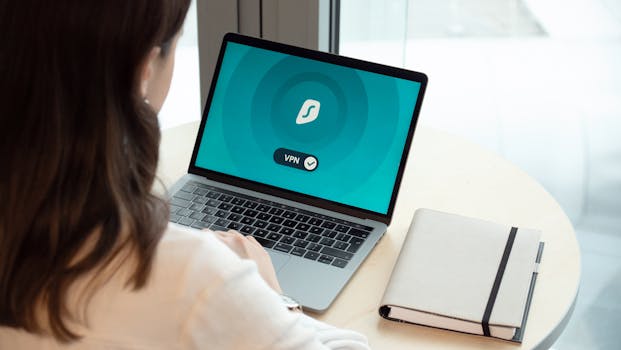
- Secure Network Usage: When handling sensitive information, avoid public Wi-Fi networks. Use a Virtual Private Network (VPN) to encrypt your internet connection, which prevents hackers from intercepting your data.
- Manage Social Media Privacy: Control the amount of personal information you share on social media. Adjust your privacy settings to limit who can view your posts and personal information.
- Monitor Your Digital Footprint: Regularly review your online presence. Be aware of the information about you that is publicly accessible and take steps to secure or remove sensitive data.
- Opt for Encrypted Services: Choose services that offer end-to-end encryption for data storage and transmission. Encryption converts your data into a secure format that is unreadable without the proper decryption key.
By adopting these protective measures, you can significantly enhance your digital privacy and secure your online activities. In the digital realm, where personal information is highly prized, taking proactive steps to safeguard your data is crucial. This not only protects your financial transactions but also ensures your digital identity remains secure.